Totteridge and Whetstone Barnet rubbish removal tips for homes
Posted on 10/08/2026
If your home in Totteridge or Whetstone feels like it has quietly collected a second life's worth of clutter, you're not alone. Old furniture in the loft, broken garden bits in the shed, cardboard from a recent move, and the mystery bag nobody wants to open - it adds up fast. This guide on Totteridge and Whetstone Barnet rubbish removal tips for homes is designed to make the process feel clear, practical, and manageable, whether you're doing a weekend clear-out or tackling a bigger house clean.
The aim here is simple: help you sort waste properly, avoid common mistakes, and choose the most sensible removal method for your home. You'll find step-by-step advice, a checklist, a comparison table, and a few local-minded pointers that keep things realistic. Let's face it, nobody wants a "quick tidy" to turn into three trips, a sore back, and a driveway full of rubbish bags.
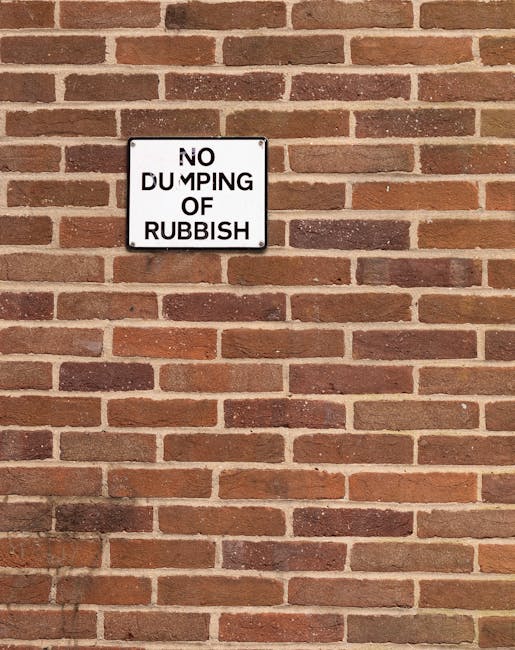
Why Totteridge and Whetstone Barnet rubbish removal tips for homes Matters
Good rubbish removal is about more than getting rid of a few bags. In homes across Totteridge and Whetstone, clutter tends to build up in the same places: garages, garden stores, lofts, spare rooms, and the "we'll deal with it later" corner of the dining room. When waste is left too long, it can become a practical problem rather than a simple tidy-up task.
There's also a local reality to consider. North London homes often have limited storage, parking that can be awkward, and narrow access on some streets. That means the difference between a smooth clearance and a frustrating one often comes down to planning. Sort the waste first, choose the right method, and think about access before you start moving heavy items. That sounds obvious, but in practice it saves a lot of effort.
A well-organised removal plan also helps you separate reusable items, recyclable materials, and general rubbish. That matters if you care about reducing what goes to landfill, and many households do. If sustainability is a priority for you, it may be worth reading more about recycling and sustainability before you start loading up bags.
Expert summary: The best rubbish removal plan for a home is not the fastest one; it's the one that is safe, sorted, legal, and realistic for the size of the job.
How Totteridge and Whetstone Barnet rubbish removal tips for homes Works
At home level, rubbish removal usually follows a fairly simple pattern. You identify the waste, decide what can be reused or recycled, estimate volume, and choose a removal route. The process sounds boring until you realise how much time it saves when done properly.
For smaller jobs, many households start with a clear-out day and dispose of items in stages. For bigger jobs, especially after a move, renovation, tenancy change, or bereavement, a more structured collection plan is often easier. If the waste includes bulky furniture, builders' rubble, garden waste, or mixed household junk, the method matters even more because different waste types are handled differently.
In practical terms, this means:
- separating general household waste from bulky items
- keeping recyclables apart where possible
- checking whether anything can be donated, sold, or repurposed
- loading items safely, especially heavy or sharp materials
- making sure the final disposal route is suitable for the waste type
If your rubbish includes furniture, the process may be simpler with a dedicated furniture route rather than a general bag-and-bin approach. For larger clearances, it may also help to review house clearance options in Barnet so you can compare what is most efficient for your situation.
Key Benefits and Practical Advantages
The value of a good home rubbish removal routine is easy to see once the clutter starts disappearing. A room feels bigger. The air feels fresher. You stop stepping around that old chair or the unopened packing boxes. Small things, but they matter.
Here are the main advantages:
- Better use of space: rooms, sheds, lofts, and garages become usable again.
- Less stress: a clear plan reduces the mental load of a messy home.
- Safer living conditions: fewer trip hazards, fewer sharp edges, fewer stacked items toppling over.
- Improved recycling: waste can be separated more carefully instead of being thrown together.
- Faster property preparation: useful if you are moving, selling, renting, or renovating.
There's another benefit people often underestimate: momentum. Once you clear the first visible pile, the rest gets easier. A shed full of mixed items feels impossible at first. Then you sort one shelf, then another, and suddenly the job is manageable. That little psychological shift is real, and it helps.
For bigger domestic projects involving heavy or awkward items, some households compare the convenience of general collection with more focused services like furniture disposal or garden waste removal. The right choice depends on what you actually need to get rid of, not what sounds easiest on paper.
Who This Is For and When It Makes Sense
This advice is useful for a lot of people, but especially for households in Totteridge and Whetstone dealing with mixed domestic waste. If you have a front garden full of pruned branches, a garage that has become a storage museum, or a spare room stuffed with broken furniture and packaging, this is for you.
It also makes sense when you are:
- doing a spring clean or end-of-year tidy-up
- moving house or preparing a property for sale
- clearing a room after children leave home
- managing inherited household items
- dealing with bulky waste after a renovation or delivery build-up
- trying to reduce clutter before a new tenant moves in
If you're a homeowner, landlord, tenant, or even helping an older relative sort out a property, the same basic rules apply: sort first, lift safely, and don't leave yourself with waste you cannot legally or practically dispose of. A lot of people discover that once they start, they need fewer bags than expected, but more thought than expected. Funny how that works.
For anyone comparing local context, it can also help to understand nearby neighbourhood patterns and everyday living conditions in Barnet. The perspective in local opinions on living in Barnet and a look at Barnet's quirky suburban character gives a useful sense of the area's home and lifestyle rhythm.
Step-by-Step Guidance
If you want a process that actually works, follow a staged approach. Trying to clear everything in one go usually creates confusion. A bit of order goes a long way.
- Walk through each room slowly. Make a list of waste by category: general rubbish, recycling, bulky items, garden waste, old textiles, electrical items, and anything that may need specialist handling.
- Decide what stays. Keep a small "maybe" box, but do not let it become a holding bay for six months. Be honest. If you haven't used it in years, you probably won't.
- Separate reusable items. Good furniture, working appliances, and decent household goods may be suitable for donation or resale.
- Group waste by type. Keep wood with wood, cardboard with cardboard, and garden cuttings apart from broken household junk where possible.
- Check access. Measure doorways, stairs, side gates, and driveway space before moving anything heavy. A sofa that looks simple in the lounge can become a nuisance on the landing.
- Bag and box safely. Use sturdy bags and seal sharp or dusty materials carefully. Overfilled bags split at the worst moment - usually when you're halfway down the path.
- Choose the disposal route. Decide whether the job suits a general collection service, a specialised bulky item disposal, or a combined clearance.
- Load from easiest to hardest. Start with light, loose items and finish with heavy or awkward pieces once you've got space.
- Do a final sweep. Check cupboards, loft hatches, under beds, the back of sheds, and behind the washing machine. Those places always hide something.
A home clearance done this way tends to feel calmer and faster. No drama, just progress. And that is exactly what most people need.
Expert Tips for Better Results
Here's where the practical detail really helps. If you want a cleaner result with less hassle, a few habits make a noticeable difference.
- Sort before lifting. Once items are in a pile, they all start looking the same. Sort first, move second.
- Keep one area as the staging zone. A hallway or kitchen pass-through can get chaotic fast. Use one spot and stick to it.
- Photograph bulky items in advance. It helps you estimate volume and decide whether something should be kept, repaired, or removed.
- Don't mix hazardous bits with normal rubbish. Paints, chemicals, batteries, and sharp materials need extra care.
- Plan around parking and access. In busy residential streets, even a short delay can make the whole job feel twice as long.
- Think in loads, not just bags. One large broken wardrobe can take up the space of several normal bags. Volume matters.
If your home project involves renovation debris, it may be worth reading about builders waste disposal in Barnet, because DIY waste and household waste are not always treated the same way in practice.
Another quiet but useful tip: keep a bin liner or box for items that can be recycled separately. Cardboard, clean plastics, and metal odds and ends often get mixed together by accident, which is a shame because sorting them now is much easier than sorting them at the end.

Common Mistakes to Avoid
A lot of rubbish removal problems come from rushing. Not from bad intentions, just from trying to get it over with by tea time. Fair enough. But a few mistakes are easy to avoid.
- Starting without sorting. If everything goes into one pile, the waste quickly becomes harder to manage.
- Ignoring access limits. Large items may not fit through stairwells or narrow doors the way you hoped.
- Overloading bags and boxes. Heavy bags are awkward, unsafe, and more likely to split.
- Forgetting about recyclables. Recyclable materials often end up in general waste out of habit.
- Leaving waste outside too long. That can create mess, pests, or complaints from neighbours.
- Mixing categories carelessly. Mixed loads can be harder to dispose of properly and may need extra sorting later.
- Not checking what needs special handling. Electricals, sharp items, and certain household materials shouldn't be handled casually.
One more thing: do not underestimate how long a "simple clear-out" takes once you open cupboards, lofts, and garden storage boxes. It is never just one bag. Usually not even close.
Tools, Resources and Recommendations
You do not need a van full of equipment to clear domestic rubbish properly, but a few simple tools make the work easier and safer.
- strong bin bags and rubble sacks
- work gloves with a decent grip
- a dust sheet or old blanket for protecting floors
- tape, marker pens, and labels for sorting
- a hand truck or sack trolley for heavier items
- boxes for reuse, recycling, and keep-sorting
- a torch for lofts, cupboards, and awkward corners
For service planning, useful reading includes a services overview and pricing and quotes guidance. Those pages can help you understand the sort of options households typically compare before booking anything. If you're moving out or sorting a property after a sale, a Barnet property transactions guide can also be relevant because clear-outs often happen around the same time as legal or moving deadlines.
If you need to explore a broader collection approach, waste collection in Barnet is the kind of service page that helps households match the job to the right support. For a lot of people, that match is the difference between a tidy weekend and an exhausting one.
Law, Compliance, Standards, or Best Practice
Rubbish removal at home is not just about convenience; there is a compliance side to it as well. In the UK, householders still need to think carefully about how waste is stored, transferred, and passed to anyone collecting it. You do not need to be an expert, but you should be cautious.
The safest practical approach is this:
- use a reputable collection method
- keep proof of what was collected where possible
- do not hand waste to anyone who looks informal or unclear about disposal
- separate items that are obviously unsuitable for normal mixed rubbish
- store waste securely until it is removed
For households, the main best practice is really common sense with a bit of discipline. Do not leave materials where they can blow around. Do not dump items at the kerb unless they are meant to be collected that way. And if you are unsure about a specific item, treat it cautiously rather than guessing. That sounds plain, but plain is good here.
It is also worth choosing providers that are transparent about safety, security, and company standards. Pages like insurance and safety, payment and security, and about the company help build confidence before you commit.
Options, Methods, or Comparison Table
There is no single "best" method for every home. The right choice depends on the type of waste, how much you have, and how much effort you want to spend yourself.
| Method | Best for | Pros | Trade-offs |
|---|---|---|---|
| DIY sorting and disposal | Small amounts of light household waste | Low cost, full control, easy to stage over time | Time-consuming, physically demanding, less convenient for bulky items |
| Bulky item removal | Sofas, wardrobes, mattresses, large household items | Less lifting for the homeowner, better for one-off large objects | Requires planning and clear access |
| House clearance | Whole rooms, empty properties, probate clear-outs, major decluttering | Efficient for larger jobs, reduces stress, handles mixed loads well | Needs more preparation and may cost more than a small collection |
| Specialist waste removal | Garden cuttings, builders' rubble, mixed renovation waste | Better matched to the waste type, more organised disposal | Must be chosen carefully so the waste category is handled correctly |
For many homeowners, the sensible middle ground is to combine methods. For example, you might sell or donate one or two items, recycle cardboard and small materials yourself, and use a dedicated collection for the bulky remainder. That approach is often calmer than trying to do everything one way.
Case Study or Real-World Example
Imagine a family in Totteridge clearing a spare bedroom after years of it becoming the "drop zone" for old toys, boxes, a broken chair, and a pile of clothes that never quite made it to the charity pile. Nothing outrageous. Just everyday accumulation.
They start by dividing the room into four categories: keep, donate, recycle, remove. The broken chair goes into the remove pile, the old books are boxed for donation, cardboard packaging is flattened, and a few useful storage boxes stay. Once they check access to the side path and measure the chair against the doorway, they realise it will be easier to remove the item before the rest of the furniture gets in the way.
On the day, the room is cleared in stages rather than all at once. The family keeps one corner as a "finished" zone, which stops items from being shuffled around endlessly. By the end, the room feels bigger, calmer, and somehow lighter. Not magical. Just organised.
That is the real lesson: most successful rubbish removal jobs are not about brute force. They're about sequence, patience, and not letting one awkward item set the tone for the whole job.
Practical Checklist
Use this simple checklist before you start:
- Have I sorted waste into clear categories?
- Have I checked for reusable or donate-worthy items?
- Do I know which items need special handling?
- Have I measured doors, stairs, and access routes for bulky items?
- Do I have strong bags, boxes, gloves, and tape ready?
- Have I kept sharp, dusty, or awkward materials separate?
- Have I chosen the right disposal method for the type and volume of waste?
- Have I planned where the waste will be staged before removal?
- Have I checked the home for hidden clutter in lofts, cupboards, and sheds?
- Am I confident the final disposal route is responsible and sensible?
If you can tick most of those off, you are in good shape. If not, pause and reset. A little preparation saves a lot of hassle.
Get a free quote today and see how much you can save.
Conclusion
Totteridge and Whetstone Barnet rubbish removal tips for homes come down to a few steady habits: sort before you lift, choose the right disposal method, keep safety in mind, and do not underestimate the value of a proper plan. Whether you are tackling one room or a full property, a calm, structured approach nearly always beats a rushed one.
The good news is that most home clear-outs are very doable once you break them into smaller decisions. Start with the obvious stuff, keep the process tidy, and give yourself enough time to do it properly. You will feel the difference almost immediately. And honestly, there's something quite satisfying about seeing a cluttered space breathe again.
When the last bag is gone and the floor is finally visible, it feels like a small reset for the whole house. That's worth a lot.
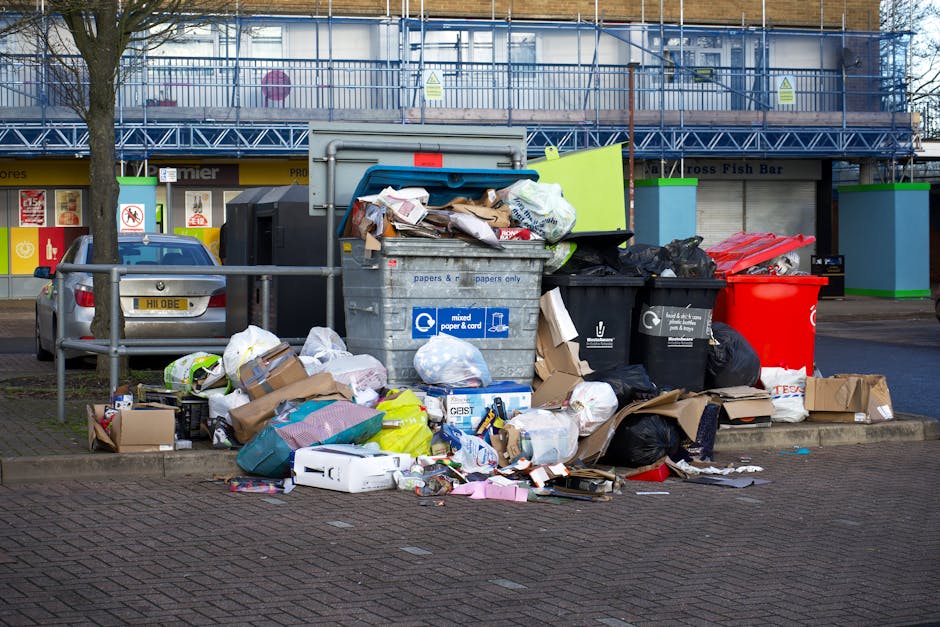
 Tipper Van - Rubbish Removal and Waste Collection Prices in Barnet, EN5
 Luton Van - Rubbish Removal and Waste Collection Prices in Barnet, EN5


