Rubbish collection near High Barnet station EN5 quick guide
Posted on 04/07/2026
If you are trying to clear unwanted rubbish near High Barnet station, you probably want the same thing everyone else does: a fast, simple collection without the day turning into a small logistics drama. Maybe you have a few bags after a flat tidy-up, a broken chair leaning in the hallway, or a pile of mixed waste that has outgrown the bin store. Either way, this Rubbish collection near High Barnet station EN5 quick guide is here to make the process feel straightforward.
Near a busy station like High Barnet, timing matters. Access can be tighter, parking may be awkward, and you do not want waste sitting around for longer than necessary. The good news? With a bit of planning, rubbish removal in EN5 can be quick, tidy, and surprisingly painless. Below, you will find a practical local guide to how it works, what to expect, what to avoid, and how to choose the right kind of collection for your situation.
For readers comparing wider service options in the borough, it can also help to look at the broader services overview and the main waste collection Barnet service page so you can match the job to the right solution.
Quick takeaway: If your waste is bulky, mixed, awkward to move, or time-sensitive, book a collection early, sort it loosely before pickup, and make access as easy as possible. That alone can save time and stress.
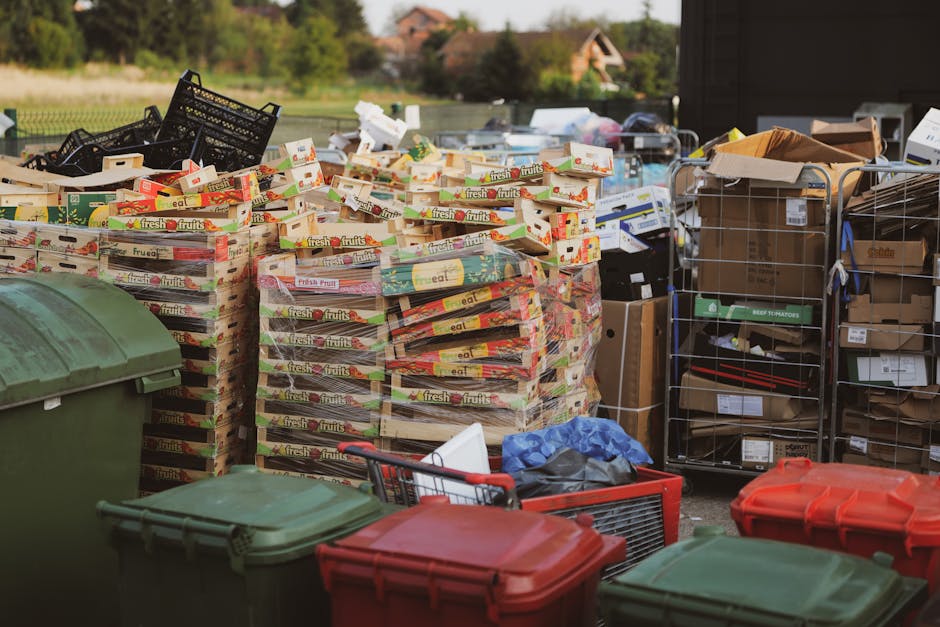
Why Rubbish collection near High Barnet station EN5 quick guide Matters
High Barnet station sits in a part of EN5 where people are often balancing busy routines, local traffic, and limited time. That makes rubbish collection a lot more than a convenience. It becomes a way to keep a property workable, safe, and presentable without spending the whole weekend wrestling with bags and bulky items.
In practical terms, local rubbish collection matters because waste builds up in all the usual ways. A tenant moves out. A landlord wants a turnaround between lets. A family clears out a spare room. Someone finally gets round to the broken wardrobe that has been "temporarily" living in the corner for three months. Sound familiar? Happens all the time.
And near a station, the pressure is a little higher. Streets can be busier at commuting times, kerbside loading may be less forgiving, and neighbours tend to notice clutter quickly. A reliable collection keeps things calm. It also reduces the chance of waste being left in the wrong place, which is never a good look and can create avoidable hassle.
This is where local knowledge counts. Waste handlers who work across Barnet understand tight access, flats above shops, mews-style layouts, and the need to work around people getting on with their day. That sort of awareness makes a real difference. Not flashy, just useful.
If the job is more than a few bin bags, it may be worth exploring house clearance Barnet for larger domestic clear-outs, or office clearance Barnet if you are clearing desks, chairs, packaging, or old fittings from a work space. The right service saves time and reduces guesswork.
How Rubbish collection near High Barnet station EN5 quick guide Works
Most local rubbish collections follow a fairly simple pattern, though the exact details can vary. First, you describe the waste. Then you get an idea of the load size, the type of material, and how easy it will be to remove. After that, a collection slot is arranged and the team comes out to load, sort, and take the items away.
The key thing is that rubbish collection is not the same as simply putting waste outside and hoping for the best. Responsible collection usually depends on what you are disposing of. Mixed household waste, cardboard, furniture, soil, garden cuttings, and builders' waste all behave differently in practice. They take different handling, and sometimes different pricing logic too.
For example, a few bags of household clutter near the station may be a quick pickup. A pile of rubble from a bathroom refit is a different story. That is why many people looking for rubbish collection in EN5 end up needing a quote based on volume, waste type, and access rather than a one-size-fits-all price.
If you are disposing of heavier or awkward items, a specialised service can be a better fit. For example, old sofas, broken wardrobes, and tables often fit better under furniture disposal Barnet, while garden cuttings and green waste are usually easier to handle through garden waste removal Barnet. Builders' rubble and renovation waste usually needs a more robust approach, which is where builders waste disposal Barnet becomes the better match.
In real life, the collection process works best when you have already grouped items roughly by type. It does not need to be museum neat. Just sensible enough that the crew can see what they are dealing with without digging through a mountain of mixed stuff. That small bit of preparation tends to speed things up more than people expect.
Key Benefits and Practical Advantages
The biggest advantage of local rubbish collection near High Barnet station is speed. When waste is taking up space, especially in a flat, hallway, garden, or shared access area, a quick pickup is worth its weight in gold. Well, maybe not literally. But you know what I mean.
There is also the matter of convenience. If you are trying to work, commute, host people, or get a property ready for sale or letting, you do not want to keep circling back to the same pile of rubbish. A collection service removes that mental noise as much as the physical waste. One less thing. That matters.
Other practical benefits include:
- Better use of space: A cleared room, hallway, garage, or garden feels usable again.
- Safer movement: Fewer trip hazards, blocked paths, or stacked items near entrances.
- Less stress: No need to figure out transport, lifting, or disposal logistics yourself.
- Cleaner presentation: Useful if you are preparing a home for viewing, tenants, guests, or tradespeople.
- More suitable disposal: Proper handling helps reduce fly-tipping risks and messy mistakes.
There is a quiet emotional benefit too. A cluttered space can make everything feel more hectic than it really is. Clear the rubbish, and somehow the room breathes again. It sounds small. It is not small.
For people interested in sustainability and sensible waste handling, the company's recycling and sustainability information is worth a look. A good collection should not just be about speed; it should also reflect a responsible approach to sorting and diverting waste where possible.
Who This Is For and When It Makes Sense
This kind of rubbish collection is useful for a pretty wide mix of people. If you live near High Barnet station, you may need it more often than you think, especially if your property layout makes it awkward to store waste long-term.
It tends to make sense for:
- Flat residents with limited bin storage or no easy lift access
- Families doing a seasonal tidy-up or post-renovation clear-out
- Landlords and agents managing between-tenancy clearances
- Homeowners dealing with bulky household items
- Small businesses with surplus office furniture or packaging waste
- Builders and decorators generating heavier disposal needs
It also makes sense when the alternative is annoying, expensive, or slow. Maybe the council collection route is not suitable for the item. Maybe you simply cannot wait. Maybe you have an item that is too bulky for the car and too awkward to carry down the stairs without a friend, a trolley, and quite a bit of optimism.
To be fair, not every job needs a full collection. If you only have a couple of manageable bags, you might be better off waiting for the usual waste cycle. But once waste starts affecting how you use the property, a collection is usually the cleaner solution.
If your situation involves a move, a sale, or a wider property change, it can help to read practical local context such as Barnet property transactions guide or the broader perspective in is Barnet ideal for living local opinions. Those pieces can give you a sense of how property upkeep and local living often overlap.
Step-by-Step Guidance
If you want a smooth collection, do not start with the phone call. Start with the rubbish itself. A little prep now can save time later.
- Identify the waste type. Separate household clutter, furniture, garden waste, and construction debris as much as you reasonably can.
- Estimate the volume. Think in practical terms: a few sacks, a half-room, a full van load, or something more substantial.
- Check access. Is there parking nearby? Stairs? A narrow hallway? A basement? The easier the access, the smoother the job.
- Remove obvious hazards. Loose glass, sharp metal, or leaking containers should be flagged early.
- Book an appropriate service. Match the job to the right collection type rather than assuming one service fits all.
- Confirm timing. Morning collections can work well if you want the rest of the day clear. Later slots may suit businesses or busy households.
- Prepare the space. Move light objects out of the way and make the waste easy to reach.
- Be there, if possible. Being present helps with access questions and makes last-minute decisions easier.
That last part is often underrated. Even if the team is experienced, there is usually one odd item, one extra bag, or one "oh, we forgot about that" moment. Being on site keeps things moving.
When disposal involves larger domestic clear-outs, pairing the job with house clearance Barnet can make the whole process much easier. If you are clearing an office or workspace, the dedicated office clearance Barnet page is more relevant than trying to squeeze everything into a general rubbish job.
Expert Tips for Better Results
The difference between a decent rubbish collection and a really smooth one usually comes down to small details. Nothing dramatic. Just sensible habits.
First, make access obvious. If the waste is behind a locked gate, down a side path, or on an upper floor, tell the provider before the appointment. Otherwise the crew may arrive ready to work and then spend five minutes figuring out the best route. Not the end of the world, but unnecessary.
Second, do not mix everything if you can help it. Mixed waste is common, but a bit of separation helps. Furniture with furniture. Garden waste with garden waste. Builders' debris with builders' debris. You are not aiming for perfection, just clarity.
Third, flag anything unusual. Paint tins, electrical items, mattresses, heavy glazing, or anything sharp should be discussed in advance. That protects both the collection team and your own schedule.
Fourth, think about timing around station traffic. Near High Barnet station, mornings and evenings can feel much busier than people expect. If your load needs kerbside access, a quieter window can be a game changer.
Fifth, ask about disposal standards. A trustworthy service should be open about how waste is handled, what can be reused or recycled, and what cannot. That does not have to be a big speech. Just a clear answer.
If you need reassurance around safety and handling, the site's insurance and safety information is useful background. In real life, this is the bit most people skip until something awkward happens. Better to check early.
One more practical note: if you are preparing for a move, sale, or tenancy change, rubbish collection is often best done a day or two before the final handover. Not too early, not too late. That little timing sweet spot avoids the "why is there still a pile here?" conversation. Nobody enjoys that one.

Common Mistakes to Avoid
Here is where people trip themselves up. Not because they are careless, but because waste disposal feels simpler than it is. A few small errors can add delay or cost.
- Underestimating the volume: "It's only a few bits" often turns into a larger load once everything is gathered together.
- Forgetting access details: Narrow stairs, parking restrictions, and locked entries all matter.
- Mixing restricted items with general waste: This can complicate sorting and disposal.
- Leaving waste until the last minute: Rushed booking usually means more stress and fewer options.
- Assuming all rubbish is treated the same: Different waste types need different handling.
- Ignoring neighbours or shared spaces: In flats and terraces, a small pile can become everybody's problem if it blocks access.
A very common one? People prepare the waste, but not the route to the waste. Bags are neatly stacked, then there is a bicycle in the hall, a plant stand by the door, and two recycling boxes in the way. The crew can still work around it, of course, but simple access makes the whole thing less fiddly.
Another mistake is chasing the cheapest option without checking whether the service suits the waste type. Cheap is not always cheap if the job has to be redone or extra charges appear later. A clear quote is worth more than a vague low number.
Tools, Resources and Recommendations
You do not need much to organise rubbish collection properly, but a few basic tools help.
- Sturdy sacks or boxes: Keep loose items together and easier to lift.
- Marker pen: Handy for labelling mixed loads or items to keep.
- Gloves: Especially useful if you are moving old furniture, garden waste, or dusty clutter.
- Phone camera: A quick set of photos makes quoting easier and cuts down on misunderstandings.
- Tape measure: Helpful when you are trying to judge whether something bulky will fit through a doorway.
For anyone comparing broader service choices, the pricing and quotes page can help set expectations around how jobs are usually priced and what information is useful when requesting an estimate. A good quote is usually clearer when the load size and access conditions are described properly.
If you are disposing of worn-out chairs, sofas, tables, or wardrobes, the dedicated furniture disposal Barnet service is often the most efficient route. If your waste is mostly outdoor material, the garden waste removal Barnet option makes more sense. Little distinctions like that can save a surprising amount of back-and-forth.
You may also find it useful to browse the company background via about us if you want a better sense of how the service positions itself, or the payment and security information if you prefer to understand the admin side before booking. Some people want the details first. Fair enough.
Law, Compliance, Standards, or Best Practice
Waste disposal in the UK is not just about getting rid of stuff. It also needs to be handled responsibly. Without getting too technical, the basic principle is simple: waste should go to an appropriate place, and the person arranging disposal should use a legitimate and careful service.
For households and businesses alike, best practice usually means:
- using a provider that handles waste lawfully and responsibly
- keeping clear records of what was removed if the job is commercial
- separating recyclable material where practical
- being honest about hazardous or unusual items
- avoiding informal disposal arrangements that look convenient but are not transparent
If your rubbish includes anything potentially hazardous, it is sensible to ask for specific guidance before collection. That might include paint, chemicals, electrical equipment, or broken glass. In those cases, plain communication matters more than speed. A quick booking is useful, yes, but the right handling is more important.
Responsible collection also protects the area around High Barnet station from the kind of sloppy waste behaviour nobody wants to see: bags left out too long, fly-tipping, or items abandoned near bins because someone hoped for the best. Let's face it, that helps nobody.
Options, Methods, or Comparison Table
Choosing the right rubbish removal method depends on size, urgency, and the type of waste. Here is a simple comparison to make the decision less fuzzy.
| Option | Best for | Pros | Watch out for |
|---|---|---|---|
| General rubbish collection | Mixed household waste, bags, small clutter | Fast, convenient, minimal effort | May not suit bulky or specialist items |
| Furniture disposal | Sofas, beds, wardrobes, tables | Ideal for heavy items, easier than DIY lifting | Access and item size still matter |
| Garden waste removal | Branches, soil, hedge cuttings, outdoor debris | Keeps green waste separate, tidy result | Wet or heavy garden material can increase load weight |
| Builders' waste disposal | Renovation rubble, offcuts, tiles, mixed site waste | Suited to heavier, messier loads | Often needs more careful planning |
| House clearance | Whole-room or whole-property clear-outs | Best for bigger domestic jobs | Requires good coordination and access |
| Office clearance | Desks, chairs, files, equipment, packaging | Helps businesses clear space quickly | Timing and building access are key |
As a rule, if the job involves just one category of waste, a specialist approach is usually cleaner. If it is mixed and fairly small, a general collection is often enough. If it is large and messy, think bigger. That's the short version, anyway.
Case Study or Real-World Example
Picture a typical flat near High Barnet station. A couple has just finished redecorating the living room and hallway. There is an old sofa, a broken coffee table, several bags of packaging, and a small pile of stripped wallpaper and dust sheets. Nothing dramatic, but enough to make the place feel cramped.
They could try to break it all down themselves, hire a van, find parking, and make several trips. Or they could book a collection and handle it in one go. They choose the second route. Before the crew arrives, they move the smaller bags together, place the larger furniture near the entrance, and clear the path from the front door.
The result is predictable, in the best way. The job is quicker because access is easy. The waste is removed in a single visit. The flat feels bigger immediately. And by the evening, the couple can actually enjoy the room instead of stepping around tools and packaging. Simple, but satisfying.
That kind of outcome is common near station areas, where space is precious and people value speed. The trick is not magic. It is preparation plus the right service.
Practical Checklist
Use this checklist before your collection day. It is short on purpose.
- Identify what needs removing
- Separate furniture, garden waste, and mixed rubbish where practical
- Estimate how much space the waste takes up
- Check stairs, parking, and doorway access
- Move anything fragile or valuable out of the way
- Flag heavy, sharp, or unusual items in advance
- Book the most suitable service type
- Choose a sensible collection time
- Keep the waste easy to reach
- Confirm any payment or booking details before the appointment
If the job is broad or a little messy, that is fine. Most are. The point is to make the handover easy, not to win an organising competition.
Conclusion
Rubbish collection near High Barnet station in EN5 is really about making everyday life easier. Whether you are clearing a flat, tidying a garden, dealing with a post-renovation pile, or just trying to get your space back, the right collection service can take a lot of pressure off your shoulders.
The most effective approach is usually the simplest one: understand your waste, match it to the right service, prepare the access, and book in good time. That little bit of planning can turn a stressful job into a tidy one. And frankly, the difference is noticeable as soon as the clutter is gone.
Get a free quote today and see how much you can save.
If you are still comparing options, take a look at the wider services overview and the relevant pricing and quotes information to decide what fits best. A little research now usually pays off later, especially when the goal is to keep things simple.
Clear space has a habit of making everything feel more manageable. One small job done well can change the tone of a whole day.

 Tipper Van - Rubbish Removal and Waste Collection Prices in Barnet, EN5
 Luton Van - Rubbish Removal and Waste Collection Prices in Barnet, EN5


