New Barnet EN4 bulky waste pickup guide for residents
Posted on 17/07/2026
New Barnet EN4 Bulky Waste Pickup Guide for Residents
If you live in New Barnet and suddenly find yourself staring at a sofa that will not fit through the door, a broken wardrobe in the hallway, or a mattress that has well and truly had its day, you are not alone. A New Barnet EN4 bulky waste pickup guide for residents should make the job feel less annoying and a lot more manageable. The trick is knowing what counts as bulky waste, how collections are usually arranged, and which option actually suits your situation without wasting time or money.
This guide walks you through the practical side of bulky waste removal in plain English. You will find out how to prepare items, what to check before booking, when a pickup makes sense, and where people often trip themselves up. There is also a comparison table, a simple checklist, and a realistic example from everyday home life in EN4. Nothing fancy. Just useful, steady advice you can act on.
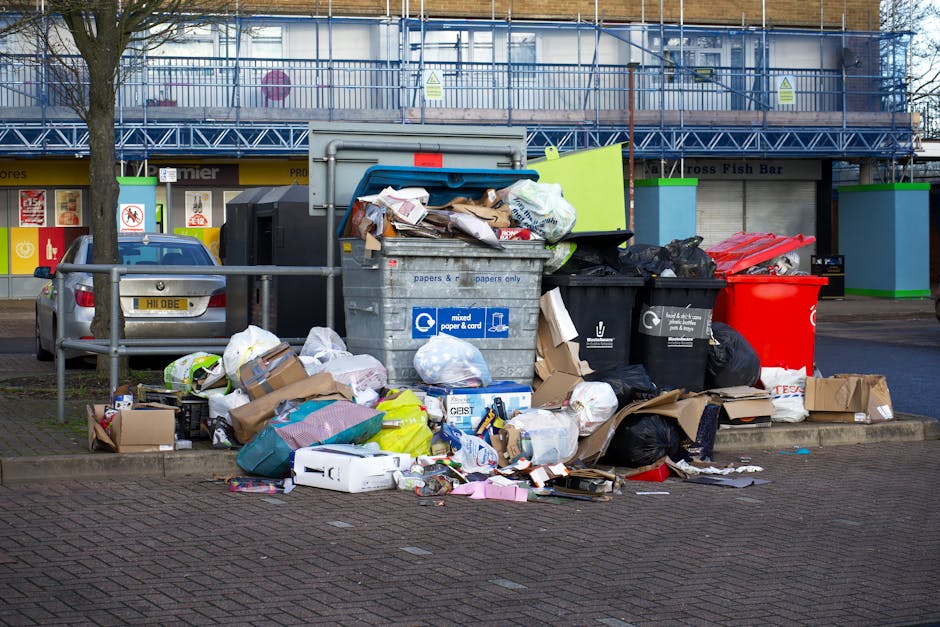
Why New Barnet EN4 Bulky Waste Pickup Guide for Residents Matters
Bulky waste has a habit of hanging around far longer than it should. One old chest of drawers becomes two. A broken desk sits in the spare room for months. Then suddenly the space feels cramped, messy, and a bit harder to live in. In a busy part of north London like New Barnet, that extra clutter can be more than just irritating; it can make moving around the home awkward and slow down everyday routines.
That is why a local bulky waste pickup guide matters. It helps residents decide whether they need a one-off collection, a larger waste removal service, or a more focused item-by-item disposal plan. For families, landlords, homeowners, and tenants, the right approach can save a fair bit of effort. And let's face it, nobody wants to spend a Saturday dragging a sofa down the stairs only to realise there was an easier route.
This topic also matters because bulky items are not the same as general household rubbish. They often need different handling, different vehicle space, and sometimes more care when it comes to lifting, sorting, and disposal. If you want a practical overview of waste services in the area, the broader waste collection in Barnet page can help frame the bigger picture.
There is also a sustainability angle. Reusing, separating, and disposing of items properly can keep reusable materials out of landfill where possible. That is not just good housekeeping; it is simply a better way to deal with things you no longer need. Quietly sensible, really.
How New Barnet EN4 Bulky Waste Pickup Guide for Residents Works
At a basic level, bulky waste pickup is about removing larger household items that are too big or awkward for normal bin collections. Think beds, wardrobes, tables, white goods, exercise equipment, and that mysterious chair everyone has but nobody really wants to sit on. The exact process depends on the provider you use, but the flow is usually straightforward.
You identify the items, check whether they can be collected, book a suitable slot, and make sure everything is ready before the team arrives. Some collections are organised around kerbside pickup, while others involve removal from inside the property. A lot depends on access, item weight, and how many pieces you need taken away.
For residents comparing options, it helps to understand the full range of removal services available. A good starting point is the services overview, which shows how bulky waste can fit into a wider home clearance or collection plan. If your job involves chairs, sofas, or other large household furniture, the furniture disposal Barnet service page is also relevant.
Most people also want to know about timing. Can it be done quickly? Sometimes yes. Is advance booking smarter? Usually, yes again. Especially if you have stairs, limited parking, or a deadline because you are moving out. The cleaner and more organised the setup, the smoother the pickup tends to go.
Key Benefits and Practical Advantages
Bulky waste pickup is not only about getting rid of old things. It can make a home feel usable again. A cleared hallway feels wider. A spare room becomes functional. A garage stops becoming a graveyard for broken furniture and forgotten projects. Small changes, but they matter.
Here are the main benefits residents usually notice:
- Less hassle: you do not have to figure out how to move large items yourself.
- Better safety: heavy lifting can be risky, especially on stairs or in tight hallways.
- More space: one collection can free up a room, cupboard, or storage area.
- Cleaner results: items are removed in one go rather than sat around waiting.
- Better planning: you can line up disposal with decorating, moving, or clearing out a property.
There is another practical advantage people sometimes overlook: speed of decision-making. Once you know what is going and when, the rest of the job becomes much easier. No dithering. No endless "we'll sort it next weekend" conversation. Truth be told, that's often where households get stuck.
If your clear-out is connected to a move, sale, or property refresh, it may be worth reading the local guide on Barnet property transactions for the wider context. And if you are simply trying to understand how this part of north London fits together day to day, local opinions on living in Barnet and Barnet's quirky suburban character give a useful sense of place.
Who This Is For and When It Makes Sense
This guide is for anyone in New Barnet EN4 dealing with oversized household items and trying to work out the least stressful way to remove them. That includes owners, tenants, landlords, letting agents, and even families helping an older relative clear a room. It is also useful if you are preparing a property for sale, a tenancy changeover, or a renovation.
It makes sense when the item is too large for ordinary collection, too awkward for your own car, or too heavy to move without help. A bedside cabinet is not bulky waste. A three-seat sofa definitely is. A dismantled bed frame may still be bulky if it takes up too much space or has sharp parts that need careful handling. You know the sort of thing.
Some common scenarios include:
- replacing a mattress after a loft room upgrade
- clearing a spare bedroom before renting it out
- disposing of old office chairs from a home workspace
- removing a wardrobe after a refit
- getting rid of worn-out garden furniture after winter has done its worst
If you are dealing with a broader household clear-out rather than one or two pieces, a more complete house clearance in Barnet may be more efficient. That is often the better route when a room is full rather than just one item sitting awkwardly in the corner.
Step-by-Step Guidance
Here is the simplest way to approach a bulky waste pickup in New Barnet without making a meal of it.
- List the items clearly. Write down every object you want removed. Be specific. "Sofa, 2-seater, fabric, worn" is more useful than "old stuff."
- Check what is actually bulky. Some things can go with normal waste, some cannot. Separate smaller recyclable items where you can.
- Measure the awkward pieces. Doors, stair corners, and narrow hallways matter. A few extra centimetres can change the whole plan.
- Decide whether dismantling helps. A flat-pack wardrobe or bed frame may be easier to remove if broken down first. Sometimes it is worth it. Sometimes not.
- Choose the right service level. One sofa is different from a garage full of broken furniture. Match the service to the load, not the other way around.
- Prepare access. Move cars if needed, clear the route, and make sure the collection point is easy to reach.
- Confirm any restrictions. Certain items may need special handling, especially if they contain electrical parts or hazardous components.
- Be ready on the day. Keep the items together and separate anything you want to keep. This sounds obvious, but people still forget, usually in a rush.
A small but important detail: if the item is damp, damaged, or dirty, say so beforehand. It helps avoid confusion later. Nobody likes a surprise mattress. Nobody.
Expert Tips for Better Results
In our experience, the smoothest bulky waste jobs are the ones that are planned in a calm, practical way. Not rushed. Not last-minute panic mode. Just neat, sensible preparation.
Tip 1: Group similar items together. Furniture with furniture. Soft furnishings with soft furnishings. It makes quoting and loading easier, and the collection team can usually work more efficiently.
Tip 2: Think about the exit route first. People often focus on the item itself and forget the path out of the house. A coffee table may be small enough, but a sharp corner in the stairwell can turn it into a faff.
Tip 3: Take photos if the item is awkward. A quick photo can save time when explaining what needs removing. Useful for large wardrobes, bulky sofas, or mixed loads.
Tip 4: Ask how items will be handled. Some providers remove from kerbside only. Others collect from inside. That small difference matters a lot if you live on an upper floor.
Tip 5: Keep reuse in mind. If something is still in decent condition, it may be better handled through reuse or resale rather than disposal. That said, don't spend weeks trying to rescue a sagging mattress. Be realistic.
If the job has to happen alongside a larger property clean-up, the practical guidance on builders waste disposal in Barnet can also be helpful for renovation-heavy homes where debris, timber, and old fixtures are all mixed together.

Common Mistakes to Avoid
Bulky waste pickup is simple enough, until it is not. Most problems come from bad preparation, unclear expectations, or trying to squeeze the wrong kind of waste into the wrong service.
- Leaving the booking too late. If you are moving out or having work done, the timing can get tight very quickly.
- Mixing hazardous items in with normal bulky waste. Batteries, chemicals, and similar materials need careful handling.
- Assuming everything can be collected the same way. A sofa, fridge, and broken desk are not always treated alike.
- Forgetting about access. Stairs, parking, and locked gates can slow everything down.
- Not checking the item size. A large wardrobe takes more planning than people expect, especially in older homes.
- Failing to separate reusable items. Sometimes people throw away something that could have been passed on or repurposed.
Another common slip is underestimating how much space bulky items take in the collection vehicle. One oversized chair can absorb more room than a stack of smaller items. A bit annoying, but it happens all the time. Better to be upfront.
Tools, Resources and Recommendations
You do not need a van, a dolly, or a garage full of straps to make this work, although all of those can help. What you do need is a tidy process and the right information before you book.
Useful things to have ready include:
- a short written list of items
- basic measurements for large furniture
- photos of unusual or heavy pieces
- clear notes on access and parking
- an idea of whether items are reusable, recyclable, or plain rubbish
If you are comparing service types, the following pages can help you understand the broader options. For general pricing context, see pricing and quotes. If you are planning a broader refresh of a rented property or office, the pages on office clearance in Barnet and furniture disposal are also useful depending on the type of load.
You may also want to review the company background and operational standards before deciding how to proceed. The about us and insurance and safety pages are sensible reading if you value peace of mind. And if you care about waste handling with a more sustainability-minded approach, the recycling and sustainability page offers useful perspective.
Law, Compliance, Standards, or Best Practice
For residents, the main point is simple: waste should be handled responsibly and passed to a legitimate collector or disposal route. In the UK, that usually means checking that whoever takes your waste is operating properly and that the waste is not being fly-tipped later. You do not need to become a compliance expert, thankfully. But a little care here goes a long way.
Best practice is to make sure you know what is being removed, keep hazardous materials separate, and avoid handing items to anyone who cannot explain what happens next. If you are clearing shared accommodation or a rental property, it is also sensible to document what was removed and when. That kind of record-keeping can save awkward conversations later. Not glamorous, but very useful.
Where furniture or electrical items are involved, separation and handling matter. Broken appliances, for example, may need different treatment than a sofa or bookcase. When in doubt, ask before collection. A clear conversation now is better than a problem at the kerbside later.
For readers who like to understand the broader service terms and site policies behind the scenes, the pages on terms and conditions, privacy policy, accessibility statement, and payment and security are straightforward places to start.
Options, Methods, or Comparison Table
Different bulky waste jobs call for different approaches. The right option depends on volume, access, urgency, and whether the items are part of a bigger clear-out. Here is a simple comparison to help.
| Method | Best for | Strengths | Limitations |
|---|---|---|---|
| Single bulky item pickup | One sofa, mattress, wardrobe, or appliance | Simple, quick, straightforward | Less efficient for larger loads |
| Small mixed-load collection | A few bulky items plus general clutter | Flexible and practical for home clear-outs | Needs clear item separation |
| House clearance | Whole rooms or move-out clearances | Efficient for bigger jobs | May be more than you need for one item |
| Furniture-only disposal | Old tables, chairs, beds, sofas | Focused and usually easier to organise | Not ideal if waste is mixed |
| Builders or renovation waste removal | DIY debris, fixtures, broken fittings | Useful for refurb projects | Not suitable for standard household bulky waste alone |
If you are unsure, start with the smallest sensible option. Then scale up only if the load is bigger than you first thought, which, to be fair, happens quite often once people start opening cupboards and loft hatches.
Case Study or Real-World Example
A typical New Barnet situation looks like this: a couple is preparing a spare bedroom for their first child and needs to remove an old double wardrobe, a broken bedside cabinet, and a heavy mattress. At first, they think it is a quick DIY job. Then they realise the wardrobe will not fit down the stairs unless it is dismantled, the mattress is awkward to bend, and the hallway is tight because of a pram already parked there. Sounds familiar, doesn't it?
Instead of trying to force everything out in one stressful afternoon, they list the items, measure the largest pieces, clear a route to the front door, and separate anything that might still be useful. They also check parking access so the collection can happen without a last-minute shuffle outside. The result is much calmer. No scratched walls. No strained backs. No arguing over who should carry what.
The important part is not that the job was complicated. It wasn't. It was just easier once they treated it like a small project rather than a nuisance to be handled in five minutes. That is usually the turning point for residents. Once you plan it properly, bulky waste stops feeling like a burden and starts feeling like a task you can actually finish.
Practical Checklist
Use this before booking or on the day of collection. It keeps things tidy, and frankly saves a lot of bother.
- Identify every item you want removed.
- Separate bulky waste from general rubbish.
- Check whether any item contains batteries, chemicals, or electrical parts.
- Measure the largest items and note awkward access points.
- Decide if anything should be dismantled first.
- Take photos if the load is unusual or mixed.
- Confirm where the items will be left for pickup.
- Make sure parking or access is workable.
- Keep valuables and items to retain in a separate room.
- Review pricing and service details before agreeing to the job.
For many households, this checklist turns a messy afternoon into something much more orderly. A bit boring, maybe. But effective.
Conclusion
A clear and practical approach to bulky waste pickup can make a real difference in New Barnet EN4. Whether you are clearing one tired sofa or a whole room of old furniture, the key is preparation: know what you have, understand your access, and choose the collection method that genuinely fits the job. That is what keeps the process efficient and avoids those small, frustrating delays that always seem to appear at the worst moment.
Used well, a bulky waste pickup is not just a disposal task. It is a reset. More space, less clutter, and a home that feels easier to live in. That small sense of relief when the last item goes? Very satisfying, honestly.
Get a free quote today and see how much you can save.

 Tipper Van - Rubbish Removal and Waste Collection Prices in Barnet, EN5
 Luton Van - Rubbish Removal and Waste Collection Prices in Barnet, EN5


