Avoid hidden charges in Barnet rubbish collection
Posted on 11/10/2026
Avoid hidden charges in Barnet rubbish collection: a practical guide for clear, honest pricing
If you have ever booked a rubbish collection and then spotted extra line items creeping onto the invoice, you will know the feeling. It is annoying, slightly stressful, and frankly avoidable most of the time. This guide on Avoid hidden charges in Barnet rubbish collection is here to help you understand how pricing should work, what fees can be legitimate, and how to spot the warning signs before you agree to anything.
Whether you are clearing a flat near High Barnet, dealing with renovation waste, or just trying to get rid of a bulky item without drama, the goal is simple: know what you are paying for before the van turns up. No surprises. No awkward phone calls. Just a clear, fair service that does what it says on the tin.
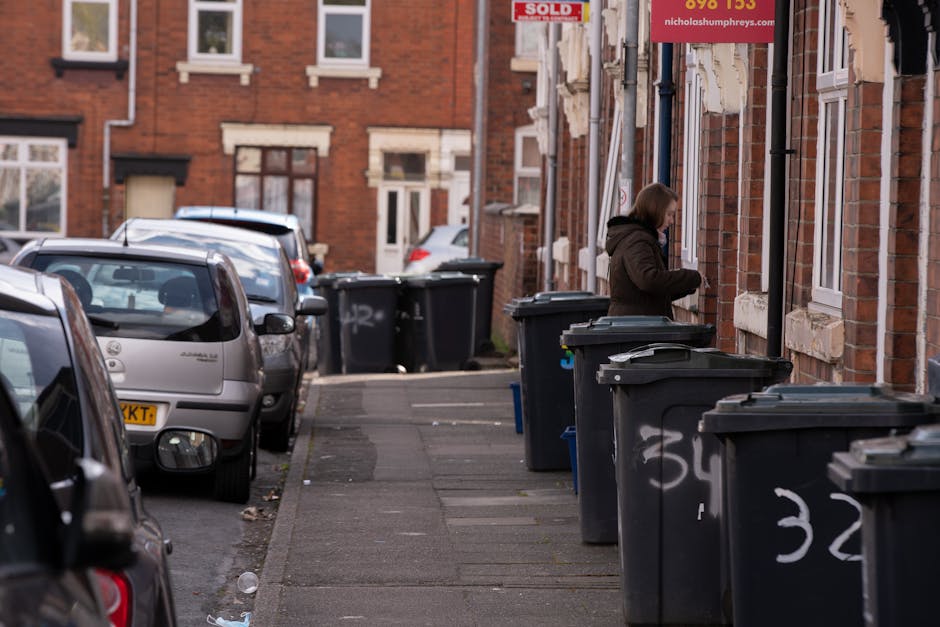
Why Avoid hidden charges in Barnet rubbish collection Matters
Hidden charges are not just a nuisance. They can change the whole decision. A quote that looks competitive at first glance may become expensive once you add fuel surcharges, access fees, minimum-load fees, disposal charges, stair carry costs, or "unexpected" item categories. In the end, the cheapest quote can become the priciest job in the neighbourhood. That happens more than people think.
In Barnet, many collections happen in places where access is not always straightforward. Think narrow drives, permit-controlled roads, flats above shops, shared entrances, or items left in basements and lofts. None of that is unusual. But it does mean a fair quote should explain how those details affect the price before anyone starts lifting sofas or loading rubble.
Why does this matter so much? Because waste removal is one of those services where people often compare only the headline price. To be fair, that is understandable. You are busy. You want the job done. But if the quote is vague, you are not really comparing like with like. You are comparing guesses.
Expert summary: the best protection against hidden fees is not luck. It is a clear quote, a precise description of the waste, and a provider who explains exactly what is included. If that sounds basic, good. It should be basic.
There is also a trust angle here. A company that is open about pricing usually tends to be open about service standards too. You will notice that the conversation is easier, the booking feels calmer, and the final invoice is less of a headache. That counts for a lot.
How Avoid hidden charges in Barnet rubbish collection Works
In plain English, avoiding hidden charges means checking every part of the service before you book. A proper rubbish collection quote should tell you what is included, what is not included, and what could change the price on the day. Nothing glamorous. Just clarity.
Most collection services price jobs using some combination of:
- Volume - how much space your waste takes up in the vehicle
- Weight - especially relevant for heavy builders' waste, soil, bricks, or tiles
- Waste type - mixed rubbish, furniture, garden waste, or construction material may be treated differently
- Access conditions - stairs, lifts, parking distance, or difficult entry points
- Labour time - some jobs are straightforward, others take longer to clear safely
That is the normal structure. The issue starts when one of those factors is left out of the conversation until the van is already outside. Then the customer gets told the price is higher because the item is heavier than expected, or because the team had to park further away than planned. Sometimes that is legitimate. Sometimes it is just poor quoting. There is a difference, and you can usually tell if the company is being direct or evasive.
A good provider will ask practical questions before giving a firm estimate: What is being collected? Where is it located? Is it one bulky item or a mixed load? Can the team park nearby? Is the waste bagged, loose, or scattered? If they do not ask, the quote may not be worth much.
One small but useful detail: if you are comparing services for a same-day or next-day collection, ask whether the quoted price includes waiting time, call-out time, or weekend uplift. Those little extras are where hidden costs like to hide, tucked in the corners. Sneaky, really.
Key Benefits and Practical Advantages
Being careful about pricing is not just about avoiding a bad experience. It makes the whole process smoother and often cheaper. Once you know the cost structure, you can choose the right service for the right job rather than overpaying for things you do not need.
- Better budgeting: you can plan the cost before the collection day arrives
- Fewer disputes: clear terms reduce awkward back-and-forth after the job
- Faster decision-making: you can compare quotes more confidently
- Less stress: no surprise fees means no unpleasant end-of-job conversation
- More suitable service choice: you can decide whether a full load, part load, or specialised collection is best
There is also a practical bonus that people sometimes miss. When the pricing is transparent, you are more likely to describe your waste properly. That helps the team arrive with the right vehicle, enough labour, and a realistic expectation of the job. Fewer delays, fewer misunderstandings.
For households, that might mean a simple sofa pickup does not become a half-day ordeal. For landlords and small businesses, it can prevent a budget line from spiralling because disposal requirements were not thought through properly. And if you are clearing something awkward, like a mix of old office chairs, boxes, and broken shelving, the right quote saves you from paying for the wrong service.
Practical takeaway: transparent pricing is not just a money issue. It improves service quality from the very first message.
Who This Is For and When It Makes Sense
This approach is useful for almost anyone arranging waste removal in Barnet, but it is especially important if you are dealing with anything beyond a simple bag collection. If the waste is heavy, awkward, urgent, or spread across several rooms, pricing can become messy quickly.
You will benefit most if you are:
- A homeowner clearing out unwanted furniture or household clutter
- A tenant or landlord dealing with end-of-tenancy waste
- A tradesperson removing builders' rubble, timber, or packaging
- A small business owner needing regular or one-off commercial clearance
- A property seller preparing a home for viewings or completion
- A facilities or office manager arranging a tidy, efficient clearance
It also makes sense when you are comparing a man-and-van style service against a more structured clearance quote. The first can be flexible and quick, which is useful. The second may offer a more predictable price if your load is well defined. Neither is automatically better. It depends on the job, the access, and how precise the quote is.
Think of it like ordering takeaway. If you know exactly what you want, you can keep things simple. If the order is more complex, you need clearer communication. Waste collections work the same way. Probably not as tasty, admittedly.
Step-by-Step Guidance
If you want to avoid hidden charges in Barnet rubbish collection, use a structured approach. Rushing the booking is where people get caught out. A few extra minutes at the start can save quite a bit later.
1. Describe the waste properly
List the items clearly and honestly. Include quantity, size, and type. Mixed waste is not the same as a single sofa. A pile of broken plasterboard is not the same as two black bags of general rubbish. The more accurate you are, the less room there is for price changes later.
2. Mention access details early
Let the provider know about stairs, parking limits, gated access, basement steps, or long carries from the property to the vehicle. Even a short walk can matter if the load is heavy. A good company will not mind. They would rather know now than discover it while standing in the rain at 8:00 on a Tuesday morning.
3. Ask what the price includes
Do not be shy here. Ask whether the quote includes labour, disposal, loading, VAT if applicable, congestion or parking costs if relevant, and any minimum-charge rules. Ask if there are additional fees for awkward items, mattress disposal, or heavy builders' waste. Clear answers are the goal.
4. Confirm how changes are handled
Sometimes the job changes slightly on arrival. That happens. Maybe there is more waste than expected, or an item is too large to move safely without extra help. Ask in advance how any change in scope will be agreed. A trustworthy company should explain the process before they start lifting.
5. Get the quote in writing if possible
This is one of the simplest ways to protect yourself. Even a short written message can help avoid confusion. It gives you a reference point if there is a disagreement later. Not every collection needs a full formal contract, but the agreed terms should be clear.
6. Check the final invoice against the quote
Once the collection is complete, compare the final charge with the original estimate. If the price changed, it should be because a specific condition changed or was not initially disclosed. If nothing changed and the price still jumped, ask for an explanation. Calmly, of course. No need to turn it into a Victorian courtroom scene.
Expert Tips for Better Results
After years of seeing how waste jobs go wrong, a few habits stand out. They are not flashy, but they work.
- Take photos before you request a quote. Images help show volume, item type, and access issues. A quick phone photo in daylight often says more than a paragraph.
- Separate reusable items from waste. If furniture, appliances, or stock can be rehomed or recycled, mention that. It may affect pricing and disposal handling.
- Be precise about location. A collection from a front drive is very different from a third-floor flat with no lift.
- Ask about minimum load charges. Small jobs can still hit a minimum price, and that is fine as long as you know in advance.
- Compare service details, not just headline figures. A cheaper quote that excludes labour or disposal can be more expensive in the end.
A useful rule of thumb: if the provider sounds vague before the job, they will probably be vague during the job too. Harsh? Maybe. But experience has a way of sharpening the senses.
Another tip that sounds simple but saves trouble: confirm whether the waste will be taken from inside the property, curbside, or a specific collection point. That one detail affects both labour and pricing far more than many people expect.
Small expert insight: the most reliable quotes are usually the ones that ask you a few awkward questions up front. That awkwardness is a good sign. It means the pricing is being thought through properly.

Common Mistakes to Avoid
Most hidden-charge problems start with one of a few familiar mistakes. Once you know them, they are easy enough to sidestep.
- Booking on headline price alone without checking what is included
- Understating the amount of waste in the hope of getting a cheaper quote
- Forgetting access issues such as stairs, parking, or long carries
- Not asking about heavy or specialist items like soil, rubble, mattresses, or appliances
- Assuming VAT or disposal charges are included when they may not be
- Ignoring minimum fees on small jobs
- Accepting verbal-only agreements with no written summary
One common scenario goes like this: a customer books removal for "a bit of garden waste" and then adds a couple of broken fence panels, a bag of bricks, and an old wardrobe on the day. That is no longer "a bit" of anything. The quote changes for a reason. The issue is not the change itself. It is the lack of clarity before the booking.
Another mistake is forgetting that some items require special handling or disposal. If a company tells you that a particular item needs a separate fee, that is not automatically a hidden charge. The question is whether they told you in advance. That difference matters a lot.
Tools, Resources and Recommendations
You do not need fancy software to avoid hidden charges, but a few simple tools make life easier. Old-fashioned organisation still wins here.
- Phone photos of the items and the access route
- A simple written list of everything being collected
- Measurements for large items, especially sofas, wardrobes, desks, and appliances
- Notes on parking or entry restrictions if the property is in a busy part of Barnet
- A comparison of at least two quotes so you can see whether one is suspiciously vague
It can also help to look at a provider's wider service information before you book. For example, checking the pricing and quotes page can give you a better sense of how charges are structured, while the services overview page is useful for seeing what kinds of collections are actually offered. If you are dealing with a specific type of waste, the relevant service page is often the clearest place to start.
For example, bulky household items may fit better under furniture disposal, while garden clippings and soil may be better matched with garden waste removal. Builders dealing with renovation debris should check builders' waste disposal so they are not paying household-item pricing for a construction load.
If you are not sure which option fits, start with the company's main waste collection service and ask for guidance. That is often the quickest route to a transparent quote.
Law, Compliance, Standards, or Best Practice
When rubbish is collected and removed, there is more involved than just lifting and loading. Responsible operators are expected to handle waste in a way that follows relevant UK waste-handling norms, safety expectations, and general duty-of-care principles. You do not need to be a waste expert yourself, but it helps to know what to look for.
From a customer point of view, best practice usually includes:
- Clear pricing terms before the collection takes place
- Proper handling and transport of waste
- Appropriate disposal routes for different waste types
- Reasonable safety procedures for lifting and moving items
- Honest communication if the load changes or requires different handling
If a provider is vague about how waste is handled, or avoids answering basic questions about pricing structure, that is worth treating as a warning sign. You are not being difficult by asking. You are being sensible.
Insurance and safety also matter. A reputable company should be able to discuss how it manages risk when moving heavy or awkward items. That can include staff safety, property protection, and safe loading. If you are comparing quotes and one provider seems much cheaper, check whether they are cutting corners on labour, disposal, or safety. Cheap is fine. Unclear is not.
Best practice in Barnet, as anywhere else, is straightforward: know what is being taken, know how it is priced, and know what changes could affect the total. Anything less is asking for trouble.
Options, Methods, or Comparison Table
Not every rubbish job should be handled in the same way. The right option depends on volume, item type, time pressure, and access. The table below gives a simple comparison to help you choose without getting tangled in jargon.
| Option | Best for | Pricing style | Hidden-charge risk | Notes |
|---|---|---|---|---|
| Man-and-van collection | Small to medium mixed loads | Often volume-based or job-based | Medium if access is unclear | Works well when the waste is accurately described |
| Specialist bulky item removal | Sofas, beds, wardrobes, white goods | Usually per item or small load | Low to medium | Clear if item type is known in advance |
| Builders' waste collection | Renovation, rubble, timber, tiles | Often weight-sensitive | Higher if materials are mixed or heavy | Ask about rubble, plasterboard, and access restrictions |
| Garden waste removal | Cuttings, branches, soil, hedge trimmings | Usually load-based, sometimes weight matters | Medium | Soil and green waste may be treated differently from loose branches |
| House clearance | Whole rooms, flats, estates, mixed contents | Usually assessed after an inspection or detailed quote | Lower if the survey is thorough | Best when the job is broad and needs careful planning |
One useful comparison point: if your job is simple and contained, a straightforward collection may be enough. If the waste is spread across multiple rooms or includes several different materials, a more detailed quote is usually safer. That extra detail at the start often saves money in the end.
Case Study or Real-World Example
A Barnet resident in a top-floor flat needed to clear old bedroom furniture, a few bags of mixed rubbish, and some packaging from a flat-pack move. The first quote they received sounded attractive, but it was based only on the number of items mentioned over the phone. No one asked about the stairs, the narrow landing, or the fact that parking was a short walk away.
When a second provider asked for photos and a clearer list, the resident realised the job was more complicated than expected. There were not just three items. There was also a dismantled bed frame, two heavy drawers, extra bags, and a broken office chair. The second quote was slightly higher on paper, but it was more honest and more complete. The final invoice matched the quote, and the collection was finished in one visit.
That is the real lesson here. A lower price is not always the better price if it leaves room for arguments later. The resident in this example did not save money by chasing the cheapest headline figure. They saved money by getting the right quote first. Simple, really.
And, honestly, it made the day less miserable. Moving furniture up and down stairs is enough excitement for one afternoon.
Practical Checklist
Use this checklist before confirming any rubbish collection in Barnet. It is a quick way to catch the things that often cause hidden charges.
- Have I described every item or waste type clearly?
- Have I shared photos if the provider asked for them?
- Have I mentioned stairs, parking, lifts, gates, or long carries?
- Do I know whether the quote includes labour and disposal?
- Have I asked about minimum charges or call-out fees?
- Do I know whether heavy or specialist items cost more?
- Have I confirmed whether VAT is included where relevant?
- Have I asked how changes on the day will be handled?
- Do I have the agreed price in writing?
- Have I compared the service details, not just the headline figure?
If you can tick most of those off, you are in a much stronger position. Not perfect. Just properly prepared. And that is usually enough.
Conclusion
To avoid hidden charges in Barnet rubbish collection, focus on clarity before convenience. A fair quote should make sense, answer basic questions, and explain anything that could affect the final price. If a company is open about access, waste type, labour, and disposal, you are far more likely to get a smooth experience and a final bill that matches the conversation you had at the start.
In practice, this comes down to a few steady habits: give accurate details, ask direct questions, get the quote in writing, and treat vague answers as a warning sign. That is how you protect your budget without making the process complicated.
Get a free quote today and see how much you can save.
And if the right provider takes a little time to explain things clearly, that is usually a good sign. Clear pricing has a calming effect, really. It turns a messy chore into something manageable, and that peace of mind is worth quite a lot.

 Tipper Van - Rubbish Removal and Waste Collection Prices in Barnet, EN5
 Luton Van - Rubbish Removal and Waste Collection Prices in Barnet, EN5


